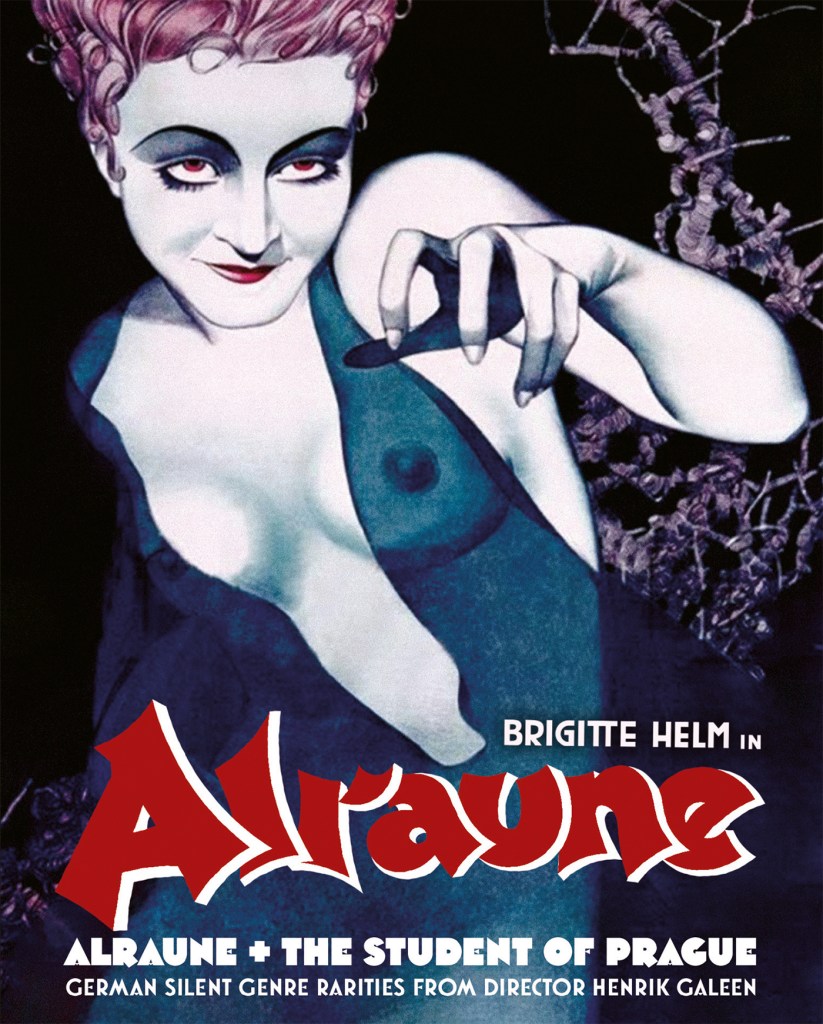
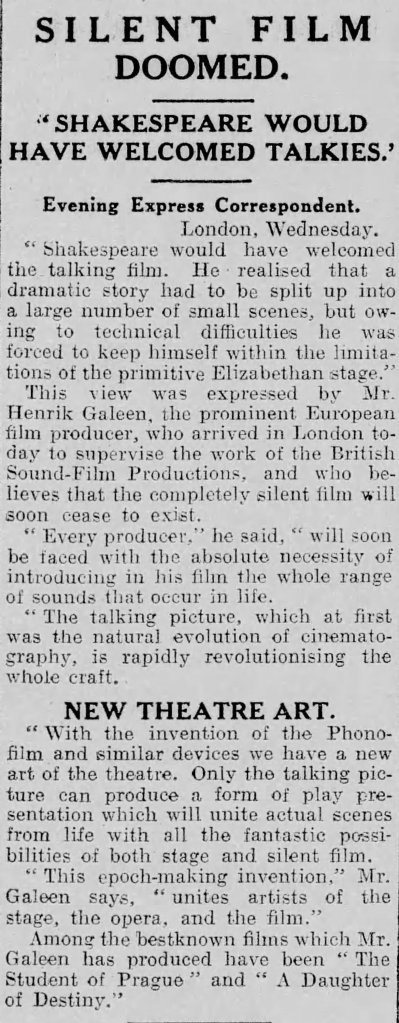
Shortly before Christmas, 1928, silent filmmaker Henrik Galeen was predicting his own demise. Arriving in London for a work assignment, Galeen boldly exclaimed to the Evening Standard that “Shakespeare would have welcomed the talking film” and that this new “epoch-making invention” had doomed silent cinema. With his landmark Alraune (1928) still in theaters, Galeen remained hopeful that cold morning that the talkies could eventually prove a uniting force that will revolutionize cinema. Of course, Galeen had no idea about the dark days ahead.
After working London for a few years, Galeen returned to Germany for what he hoped would be a return to his former glory, The House of Dora Green (1933) but the film’s release coincided with Hitler’s terrifying rise to power. Forced to flee to Sweden and then finally The United States, Galeen barely had a chance to participate in the talkies that he accurately predicted would wipe the industry he’d known and loved off the map.
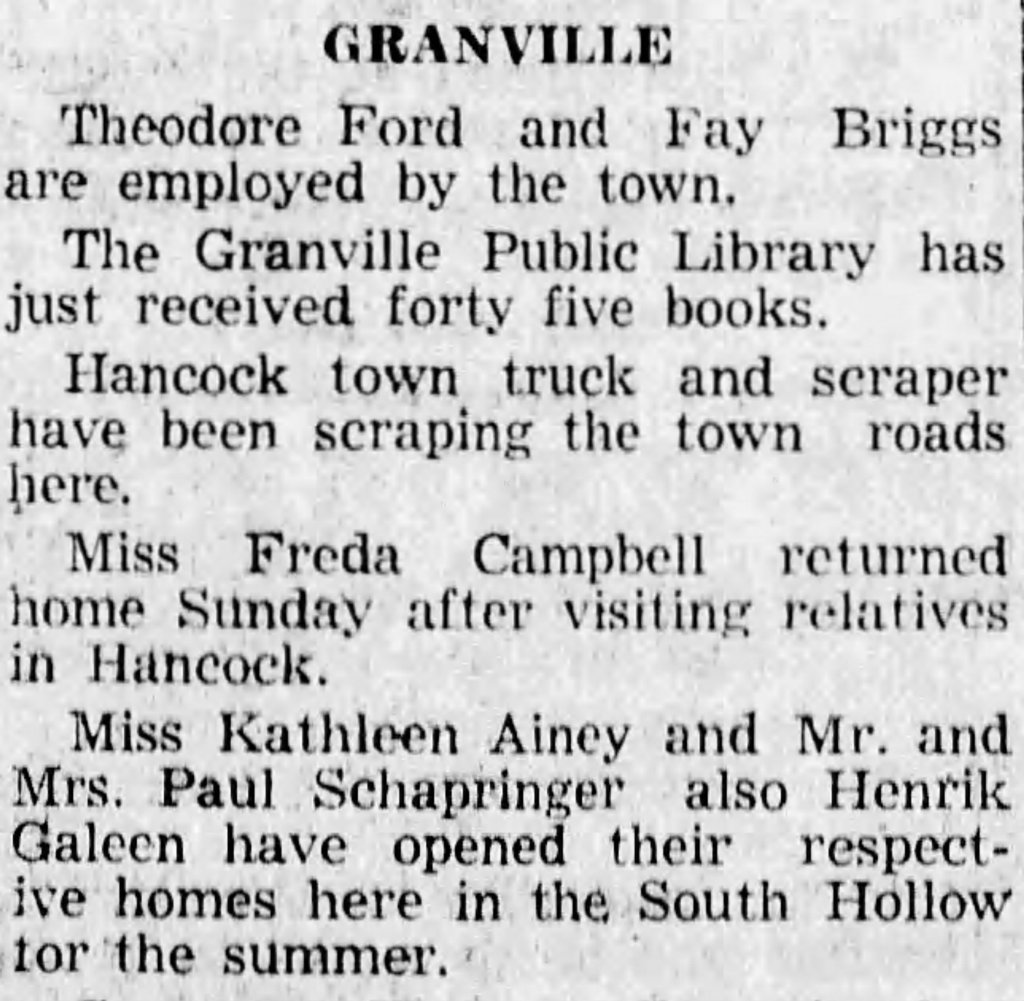
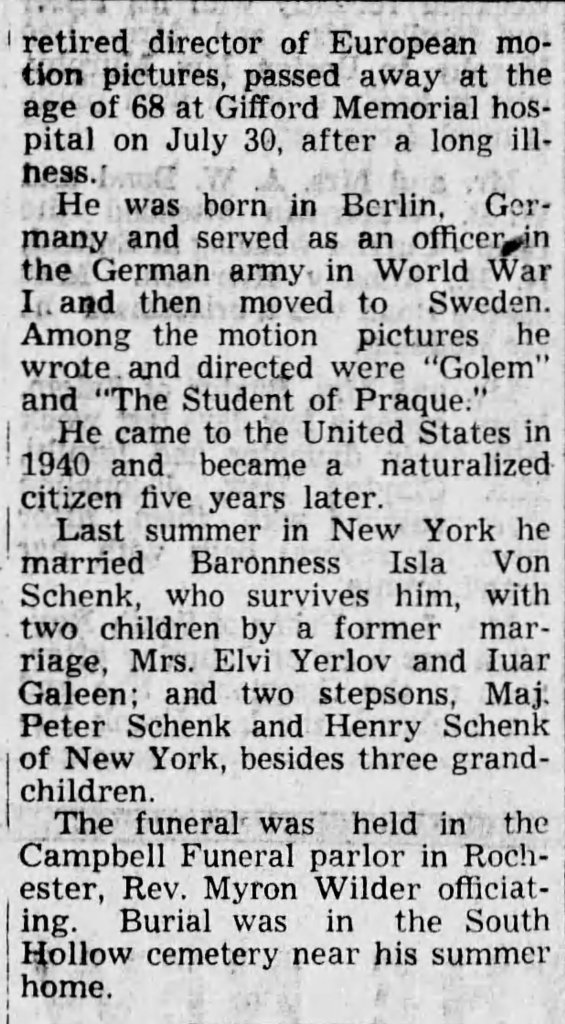
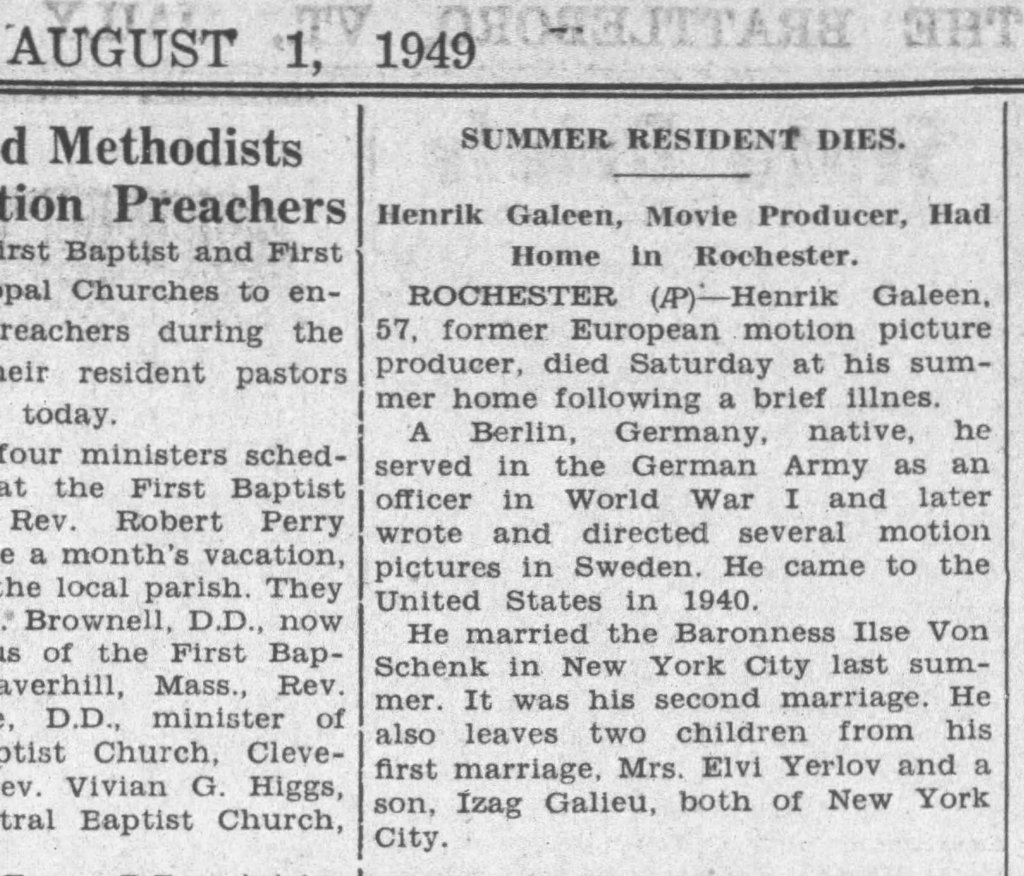
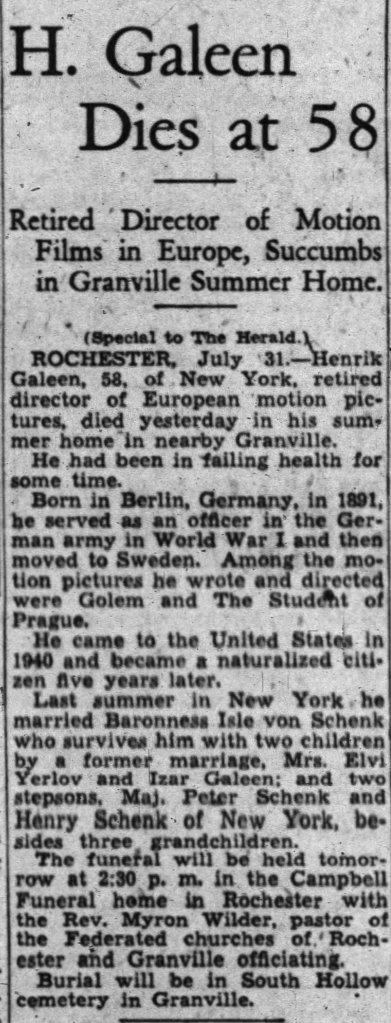
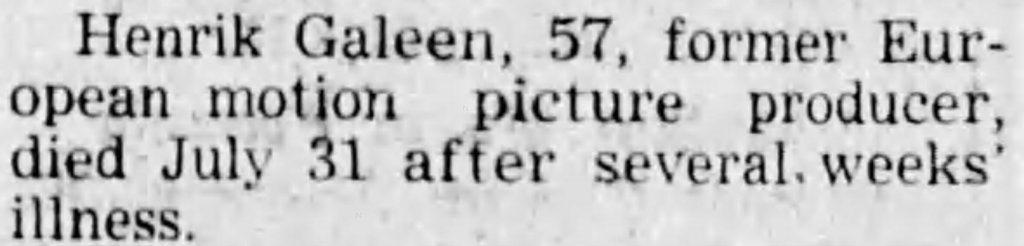
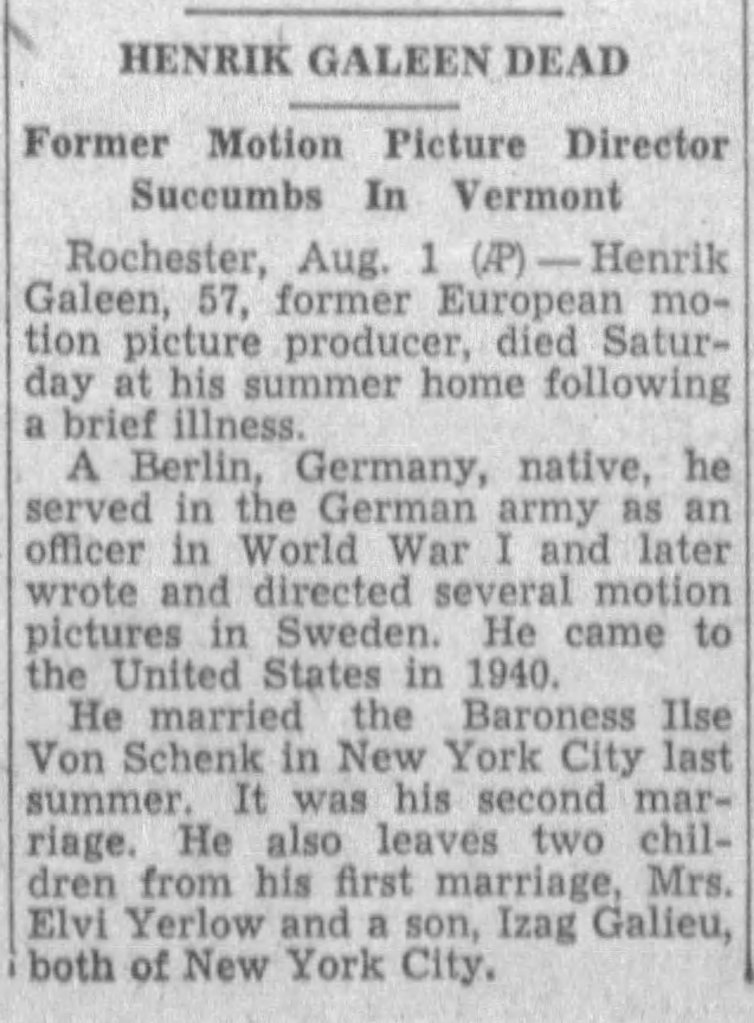
When he passed away a few years after the war in Vermont, local papers noted his time in the area and his life before. Save for a few random mentions, the screenwriter of Nosferatu lived a fairly quiet life in exile from his home, career and a past that had been taken from him right before his eyes.
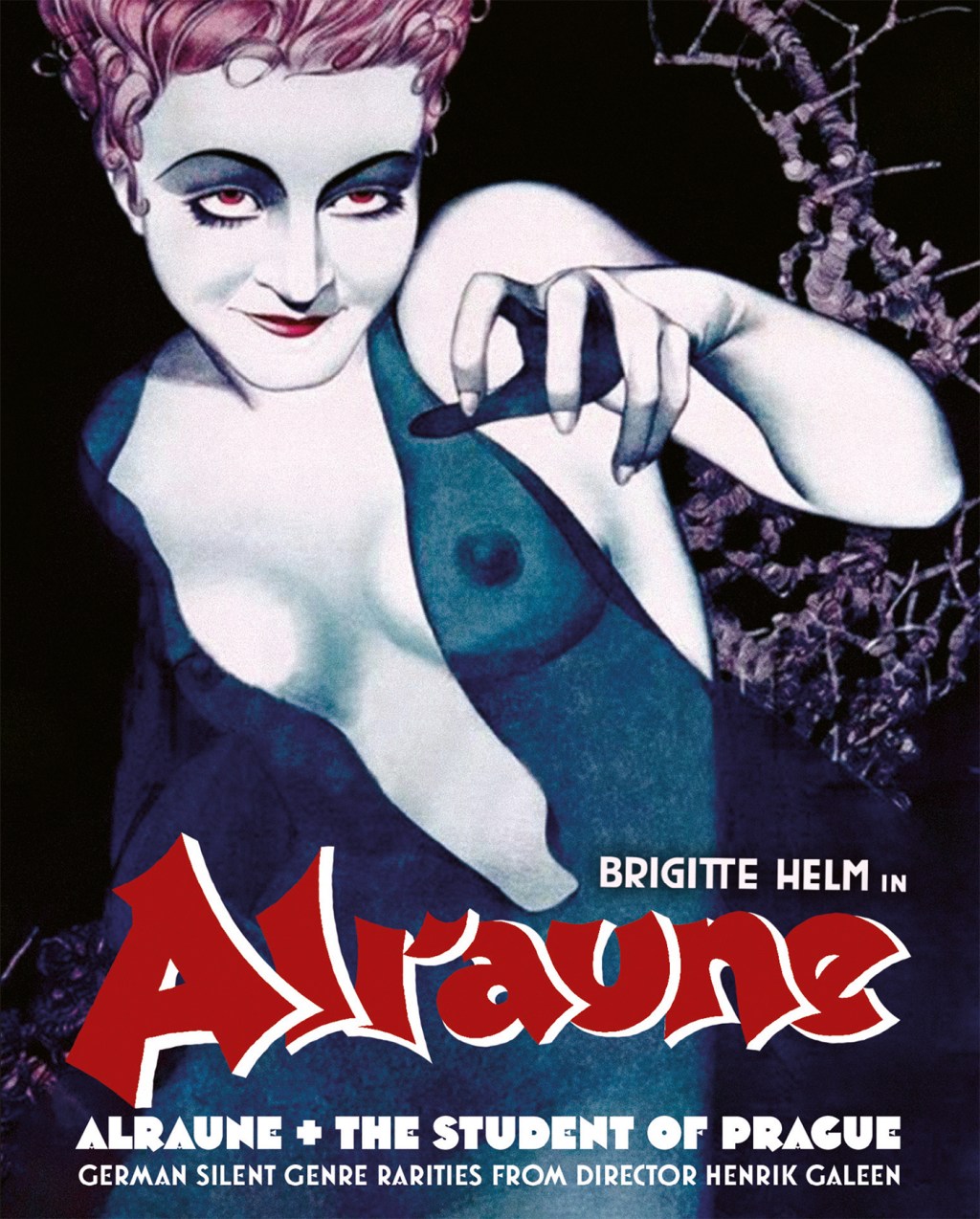
The great Jewish filmmaker Galeen is given his due via Deaf Crocodile’s incredible double-disc Blu-ray collection housing his The Student of Prague (1926) and Alraune (1928). Armed with scholarly and historical based commentaries and interviews, and restored versions of the best surviving film elements, Deaf Crocodile continues their trend of releasing essential if often underseen cinema on HD.
Galeen’s script for F.W. Murnau’s Nosferatu (1922) was enough to solidify his place in film history but both The Student of Prague and Alraune show him as a remarkable filmmaker as well. As a director he completed about a dozen films, some sadly lost. Deaf Crocodile’s new Blu-ray gives English audiences the opportunity to see two of his finest films via this very rewarding release.
Starring the brilliant Conrad Veidt, The Student of Prague arrived around the ten-year mark of Galeen’s career behind the camera. He’s fully-formed as filmmaker here, delivering a work that is evocative and engrossing. Working from a Hanns Heinz Ewers novel, Galeen’s script for The Student of Prague owes a bit to the Faust legend as well as Poe’s “William Wilson”. Remember kids, “Never Bet The Devil Your Head’. There have been plenty of films featuring a lead selling their soul to the devil but few are as haunting as The Student of Prague.
Featuring Galeen’s inventive use of montage and strikingly gorgeous black and white cinematography by Erich Nitzschmann and Günther Krampf, The Student of Prague is a beautiful work of high-art. Fairly epic at over 130 minutes, The Student of Prague never drags thanks to Galeen’s incredible knack of filling every frame with at least something of visual interest. Framed beautifully with obvious care and thought, The Student of Prague is wonderous stuff.
Veidt controls the film with his incredible lead turn but Romanian actress Elizza La Porta is nearly as memorable.
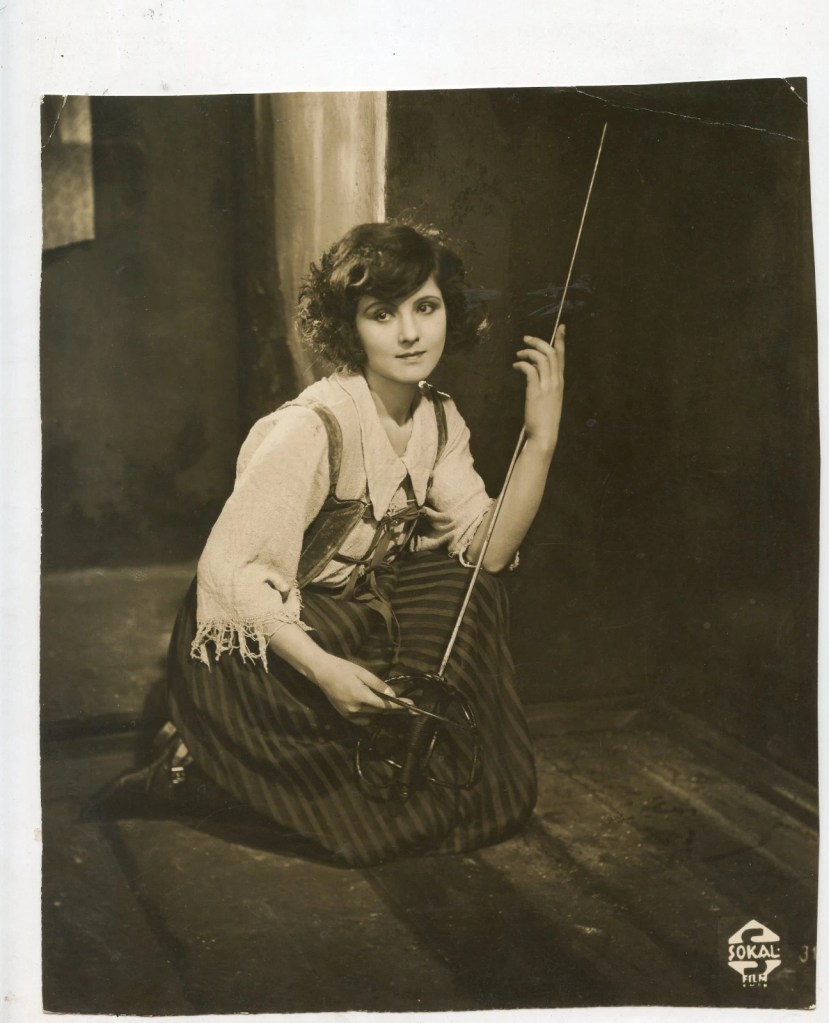
As the devil looking to strike a deal, Werner Krauss is chillingly good giving a wisely wicked supporting turn. It is the damaged Veidt though that controls and leads the narrative forward to the film’s incredible final half-hour.
Galeen’s wonderfully off-the-wall editing and some striking early special effects allow for the film’s Poe like Doppelganger in a bravura moments of wow. 100 hundred after its release, and The Student of Prague is still a marvelously effective work.
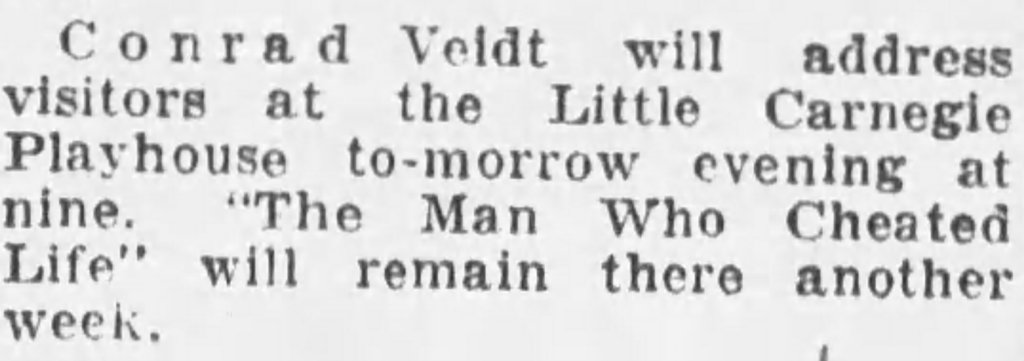
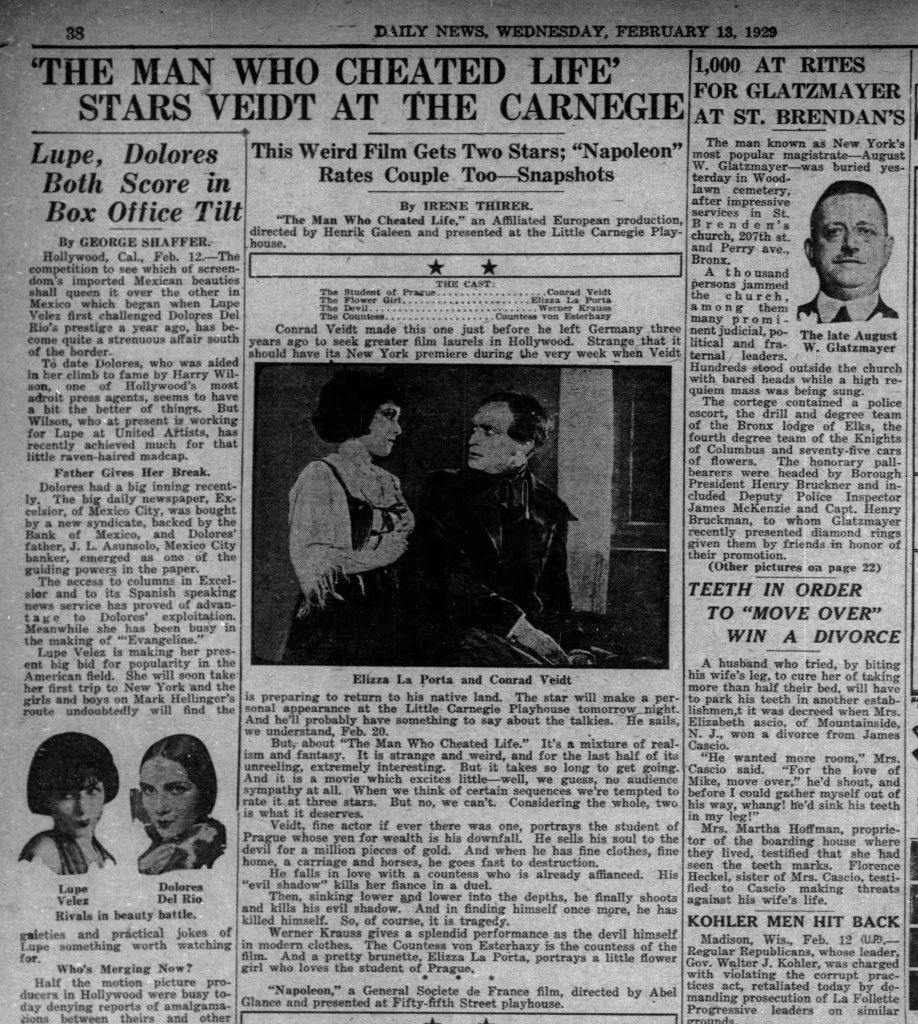
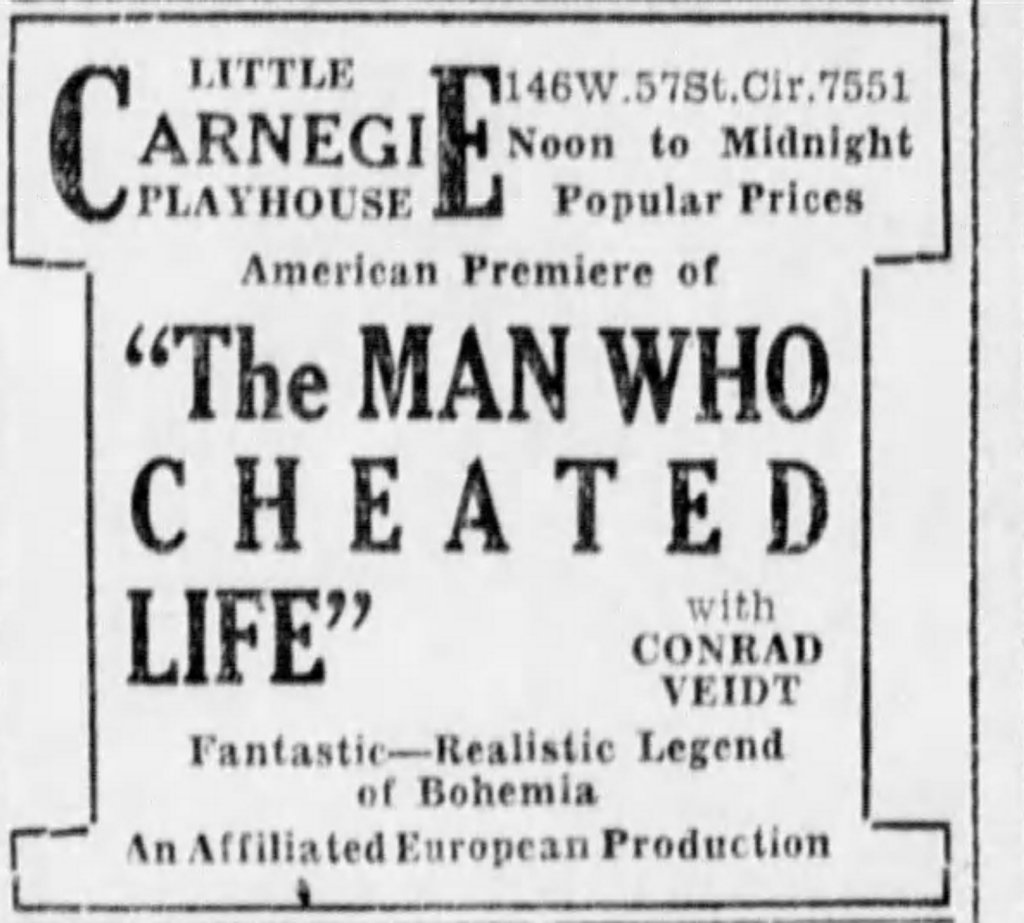
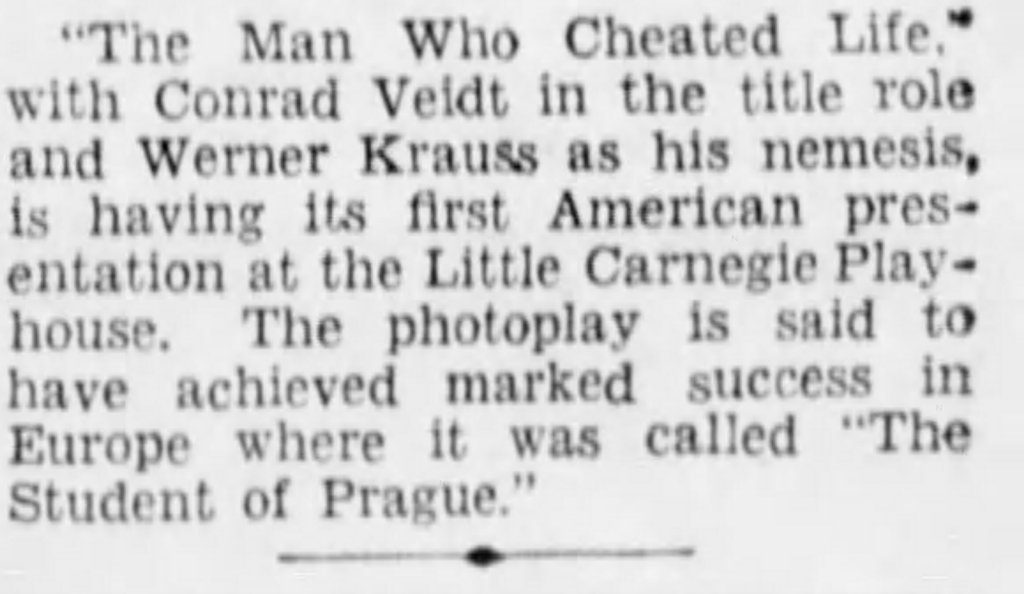
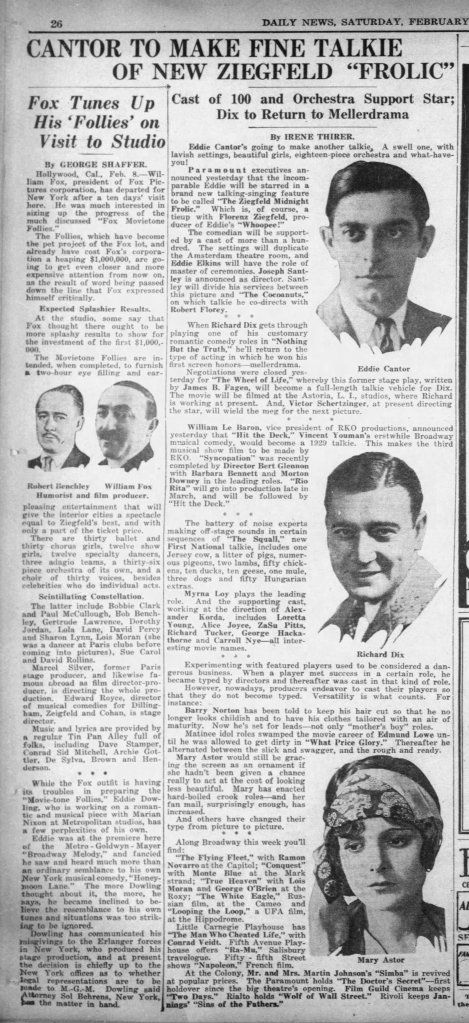
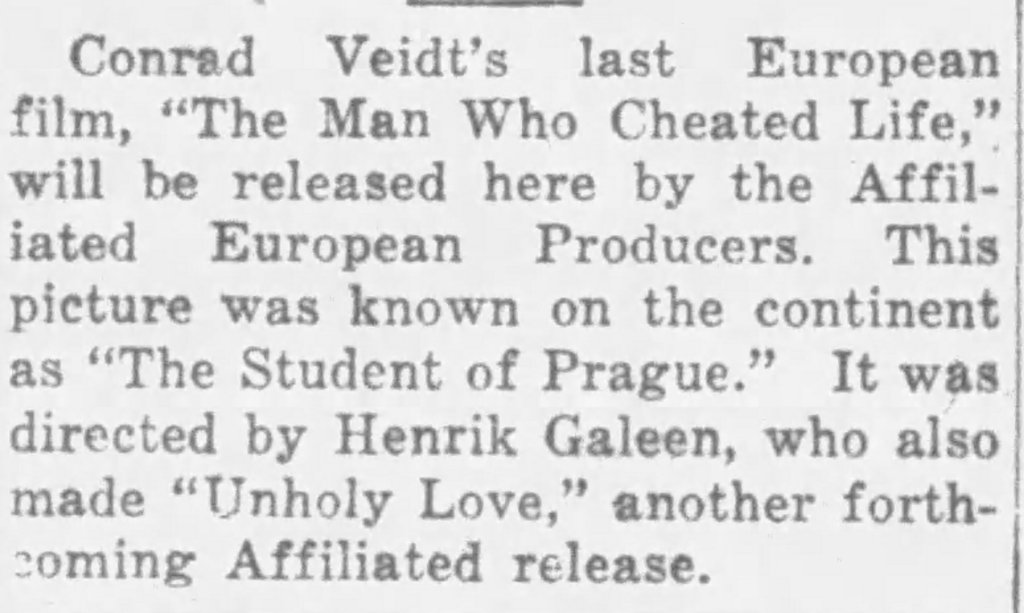
The Student of Prague played The United States as The Man Who Cheated Life in early 1929. Since then this remarkable film had always seemed hidden by other versions of the same story. This Deaf Crocodile release is a real welcome eye-opener. Thankfully a complete print was located (I believe in Spain) so we’re able to watch The Student of Prague as intended. The print has understandable signs of wear and isn’t as well-preserved as Alraune but is still a sight to behold via this fantastic Blu-ray edition. Plus the score by Stephen Horne is expertly rendered as well, fitting this tragic epic beautifully well.
Both discs feature a lengthy feature-length interview with Stefan Drössler of the Filmmuseum München and it is packed with great info about these movies, Galeen and German cinema in this period, It is a great talk conducted by Deaf Crocodile’s Dennis Bartok. Just as good is the feature length audio commentaries for each film by historian, programmer and scholar Jan-Christopher Horak whose meticulously research shows in these fascinating listens. Both the extras constitute several classes worth of German silent cinema history,
Even though it is the later film of the two, Alraune gets top-billing in this Blu-ray set. Just as strong as The Student of Prague, Alraune benefits greatly from the mesmerizing presence of the great Brigitte Helm, who gives a devastatingly erotic performance as the supernatural spawn of an executed prisoner and destitute sex-worker. Helm is such a magnetic figure and Galeen films her like his camera has been caught under her spell as she delivers a strange performance filled with a seething undercurrent of sex.
Based around ancient Jewish folklore, Alraune owes perhaps as much to Mary Shelley as The Student of Prague did Poe but it cleverly strips away any sci-fi properties it might contain. Instead Galeen opts for a complex character studies powered by Helm’s trance-like performance and Paul Wegener’s obsessive supporting turn as her aging creator.
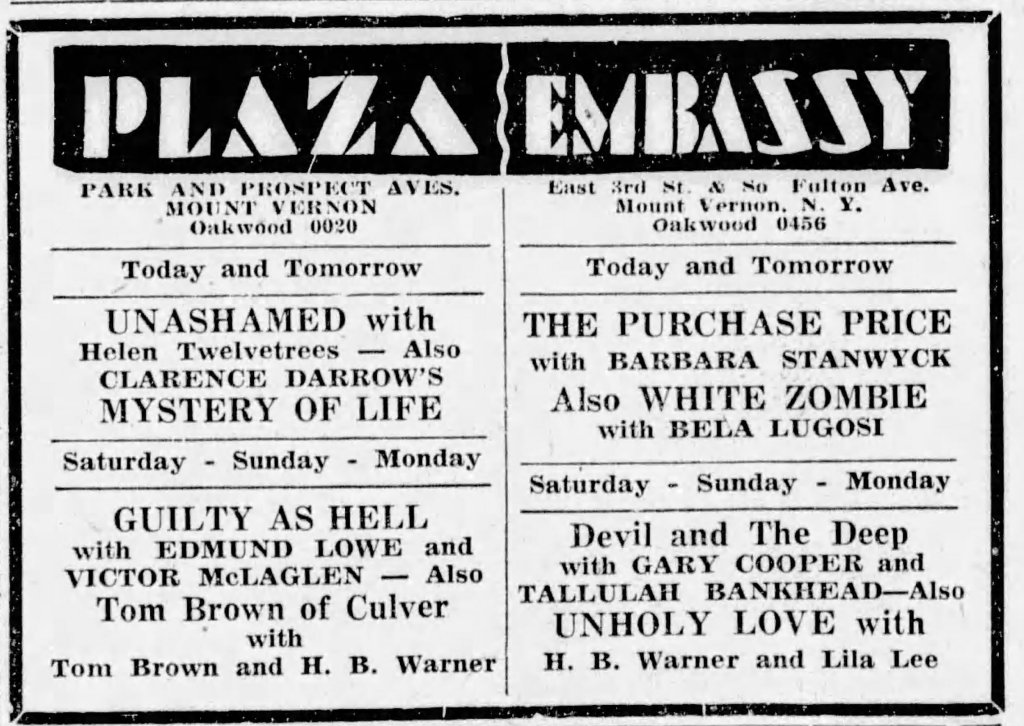
Like The Student of Prague, Alraune was distributed briefly in The States under a different title, Unholy Love. Also, like The Student of Prague it has remained shrouded by other versions of the story, including one again starring Helm! Working from source material by Hanns Heinz Ewers, Galeen delivers another dazzling epic withAlraune . Sadly, unlike The Student of Prague, a complete print hasn’t been located. Deaf Crocodile have smartly filled in these brief lost sections with photos making this the most complete version of Alraune since its initial release.
Deaf Crocodile’s HD presentation of Filmmuseum München’s beautiful restoration is eye-wateringly gorgeous. Remarkably preserved after nearly 100 years, Alraune leaps out of the screen, thanks partly to the cinematography of later Hollywood legend Franz Planer, on this new Blu-ray and the score from Sabrina Zimmermann and Mark Pogolski is sublime stuff. I’m jealous of the folks who have seen these amazing silent productions screened theatrically. Thank you to Deaf Crocodile for the opportunity to own and watch these at home.
Alraune can be purchased along with The Student of Prague at Deaf Crocodile and MVD.
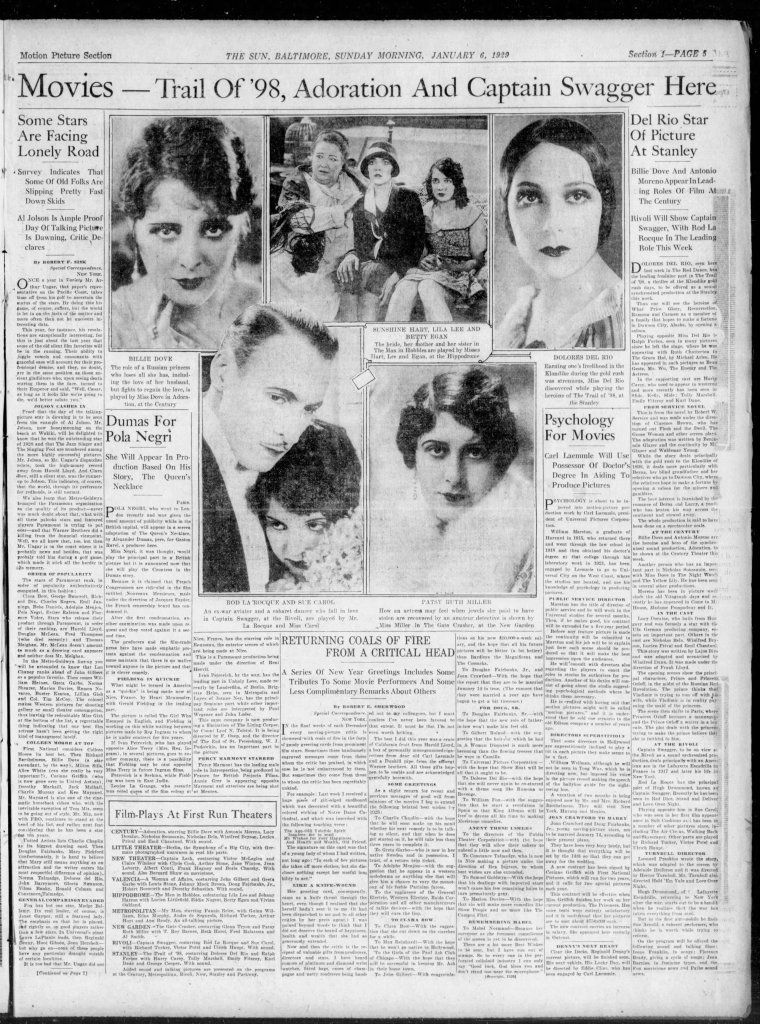
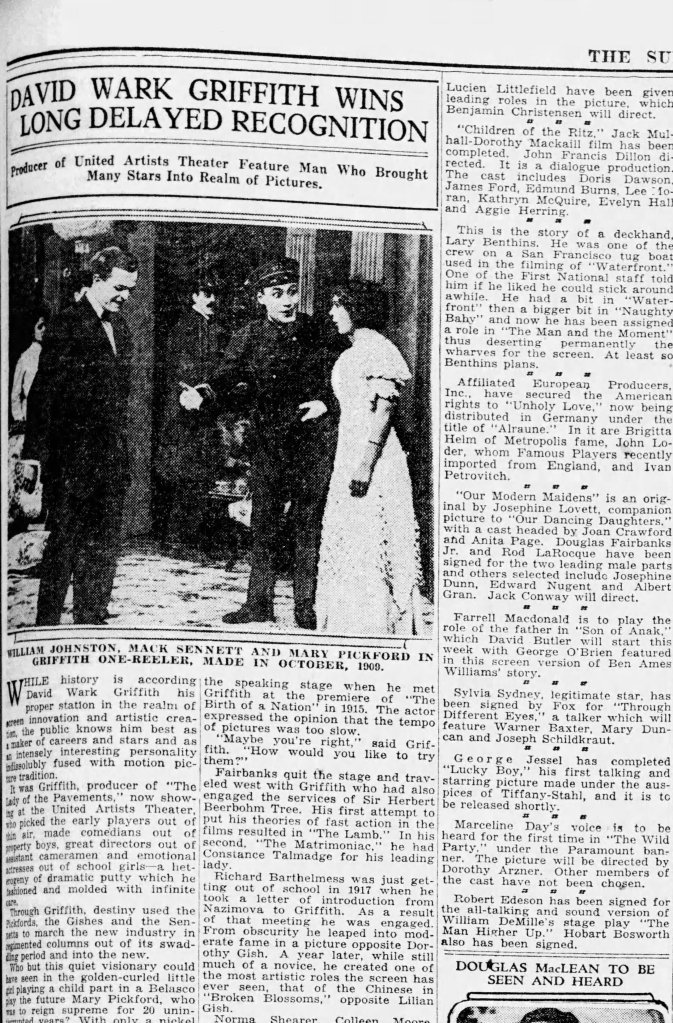
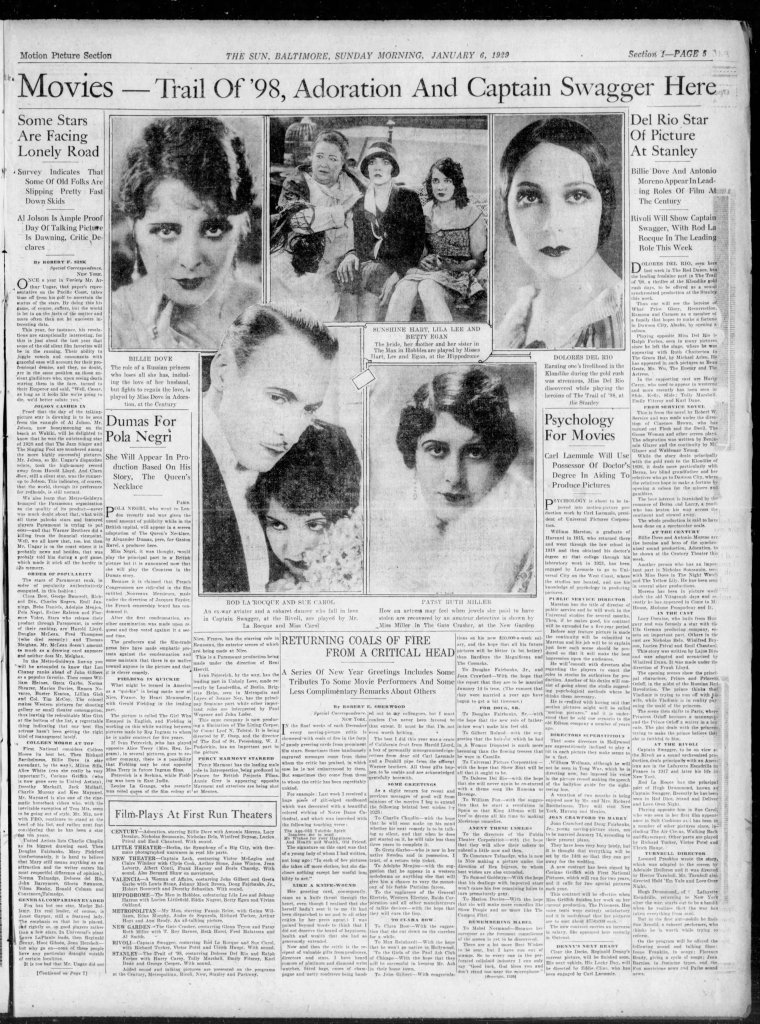
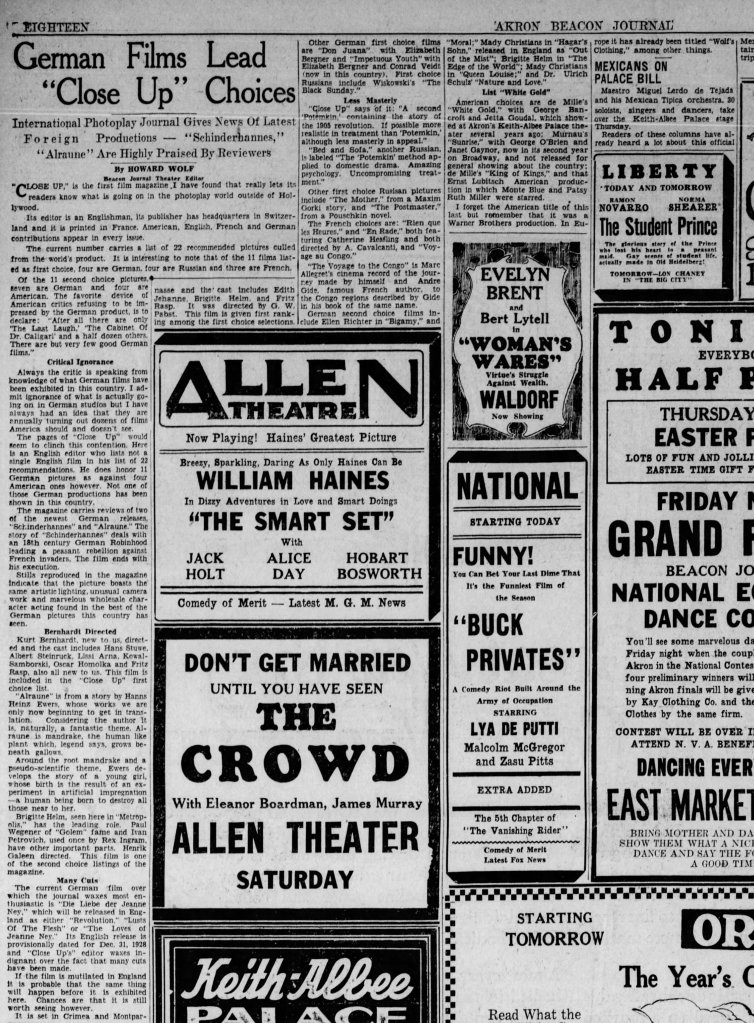
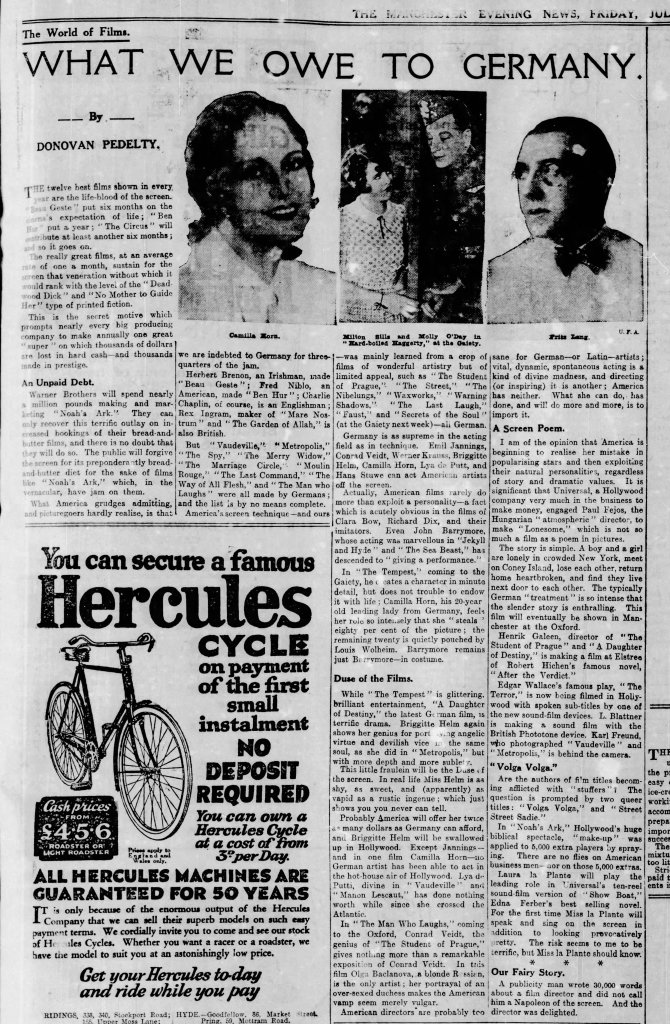
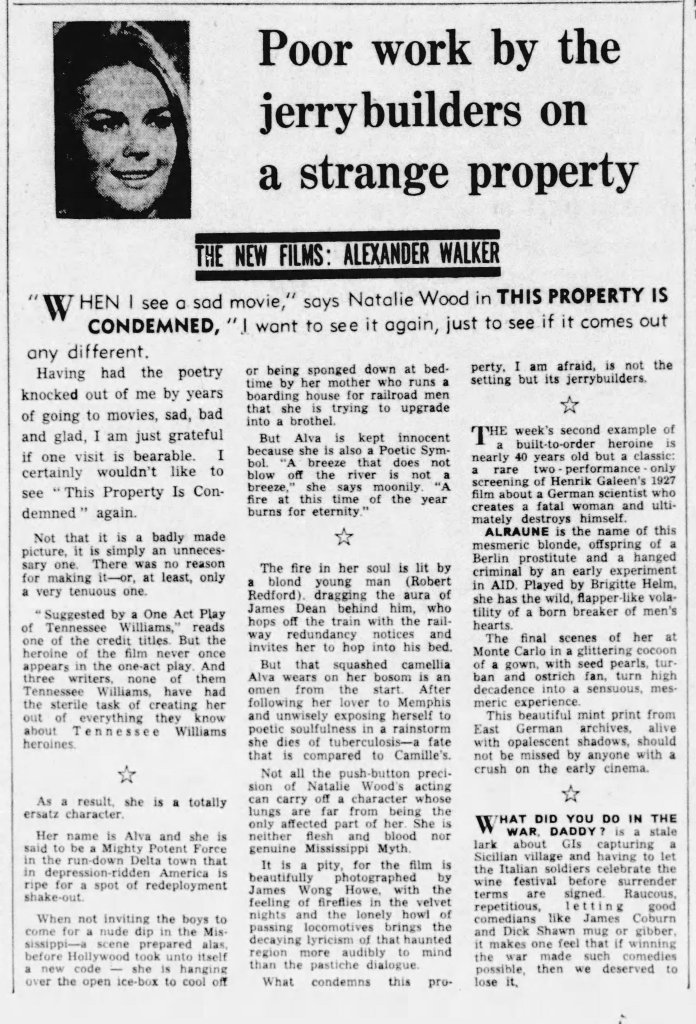
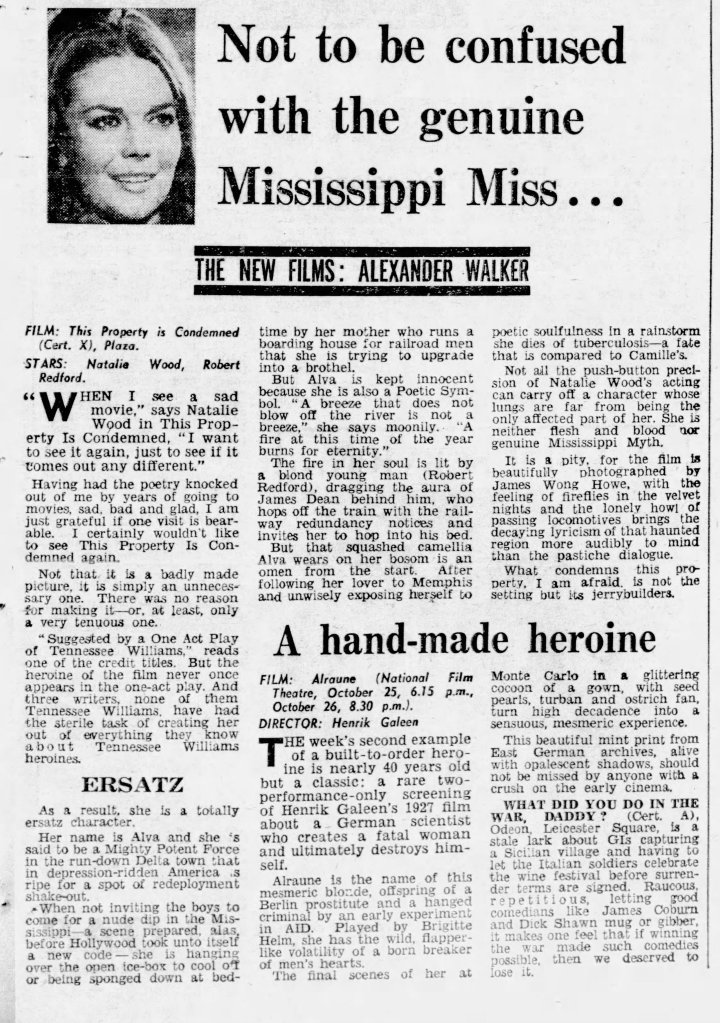
Please enjoy this random collection of clippings I discovered while researching this piece.
 Nostalgia Kinky
Leave a comment